
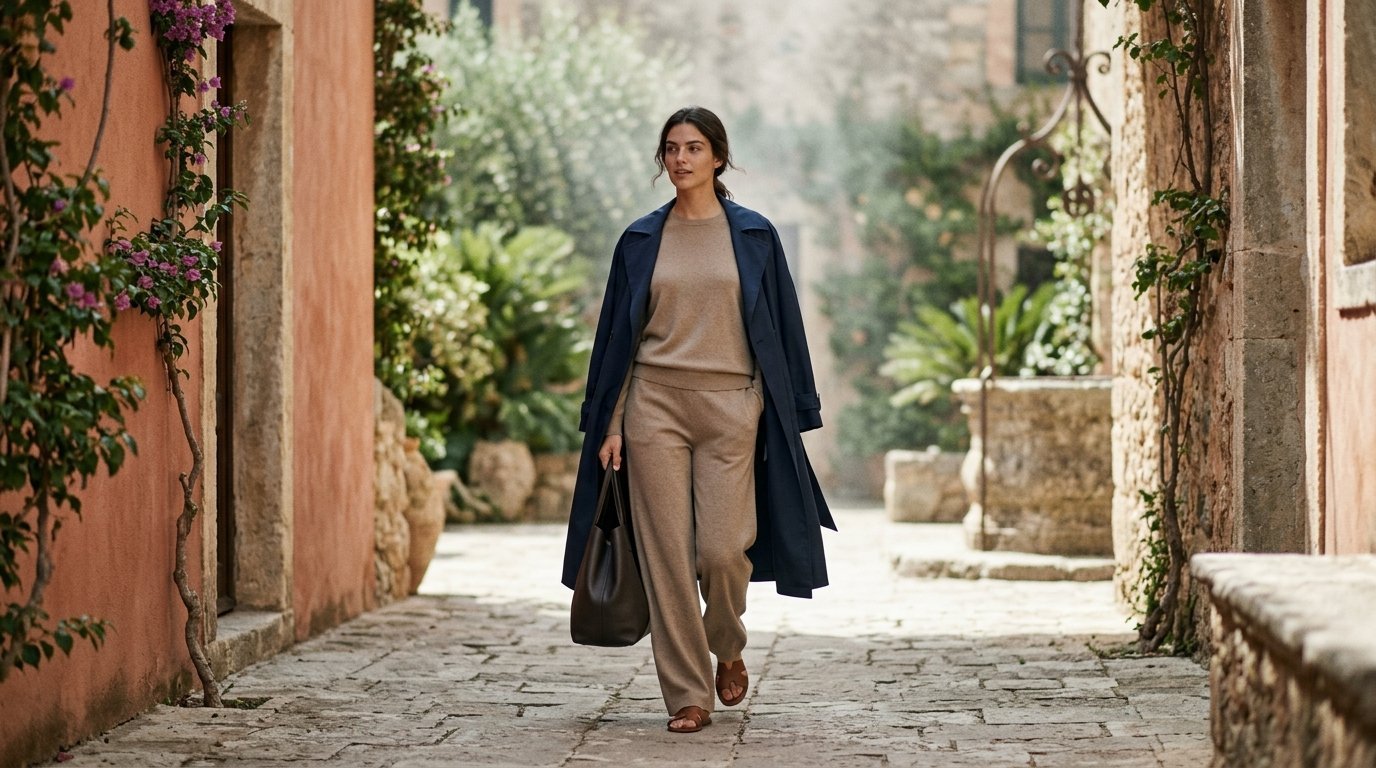
Italy’s Ministry of Health bulletin of August 26 placed Palermo under the highest heat-alert level, level 3, which signals risk even for healthy adults; Campobasso and Messina remain at level 2. Between Thursday, August 27 and Friday, August 28, an African anticyclone is pushing temperatures to 44-45°C (111-113°F) across central and southern Italy and the Adriatic coast.
It is not an isolated episode. The Copernicus Climate Change Service has confirmed that June-July 2026 was the hottest such period ever recorded in Western Europe: an average temperature of 21.62°C (70.9°F), 2.79 degrees above the historical norm. Since late May, heat waves have followed one another with only brief breaks in between, driving progressive ground-level heat buildup and conditions increasingly favorable to large wildfires.
The phenomenon is not confined to Italy. In mid-August, an earlier heat wave pushed temperatures above 43°C in France, 42°C in Spain and 40°C in Portugal, with intense heat reaching as far as Germany. Italy’s Ministry of Health issues daily bulletins for 27 cities, with forecasts at 24, 48 and 72 hours.
For office workers, the problem is not just the number on the thermometer. It is the thermal jump: stepping out of a space cooled to 20°C into a 44°C street, several times a day, between the commute and the lunch break. The body handles a repeated swing like this worse than constant heat.
Office wardrobes rarely account for that jump. Shirts and T-shirts built for a stable climate soak through in the ten-minute walk between the subway and the office door, then stay damp under air conditioning for the rest of the day — a discomfort no dress code was written to address, and one that repeats identically the next day for as long as the alert lasts.
Under these conditions, the fabric matters more than the cut. Fine merino wool absorbs and releases the body’s water vapor, regulating the microclimate against the skin instead of simply trapping air the way many synthetic fabrics do: it is the mechanism behind what researchers call adaptive thermoregulation.
It will not fix a 45-degree heat wave. But it explains why, at the same outdoor temperature, someone wearing it reports less discomfort in the repeated shift between air-conditioned rooms and the street — a small difference on a single day, measurable over a week of red alerts.
Leave a Reply