
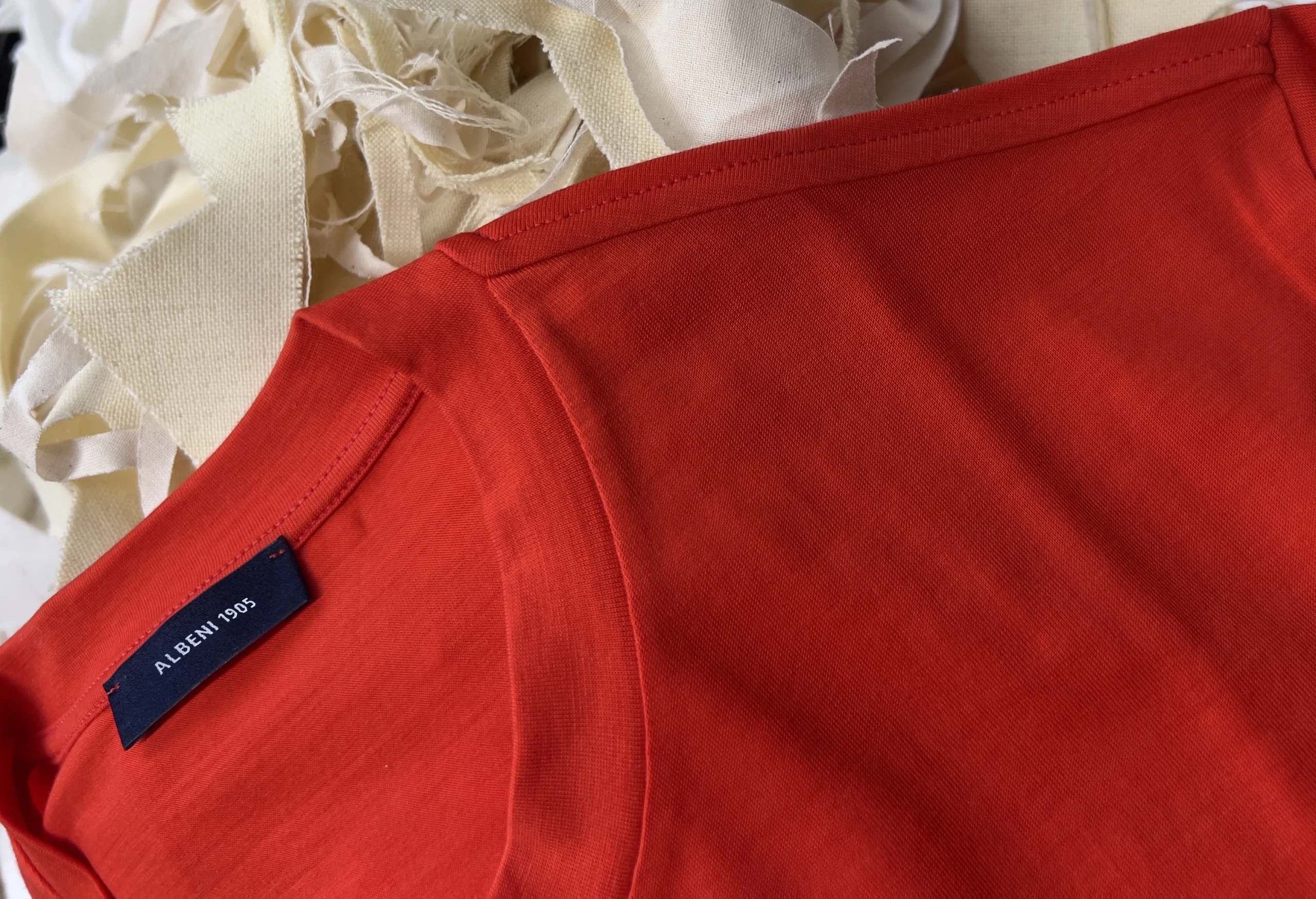
You walk into a shop (or open a package) and there’s a white t-shirt before you. It costs triple the price of fast fashion. Is it worth it? Often, we rely on the brand or the price tag, but the only honest judge is the garment itself. You don’t need a microscope to tell if a t-shirt will last three years or three washes. You just need to know where to look.
Here are 7 real quality signals you can verify in 30 seconds.
1. The Touch Test
The first sensation doesn’t lie. Close your eyes and touch the fabric. Poor quality: it feels “dry,” stiff, or plastic-like. Premium: it’s fresh, fluid, and has a certain density. If it’s cotton or noble wool, it shouldn’t be rough. True quality has a full, responsive “hand”—not slippery or insubstantial.
2. The Shoulder Tape
Look inside the t-shirt, at the shoulders. A premium t-shirt almost always has a reinforcing tape sewn over the internal seam, running from shoulder to shoulder. It prevents the shirt from deforming under weight or when hung on hangers. If the seam is raw or unsupported, the shirt will stretch and lose shape after a few washes.
3. The Hem Stitching (Double Stitch)
Flip the shirt inside out and examine the bottom hem. A premium garment uses a double-stitch technique—you’ll see two parallel lines of stitching. This distributes stress evenly across the seam, preventing breakage and extending the garment’s life. A single stitch will eventually fray and fail.
4. The Fiber Content & Weight
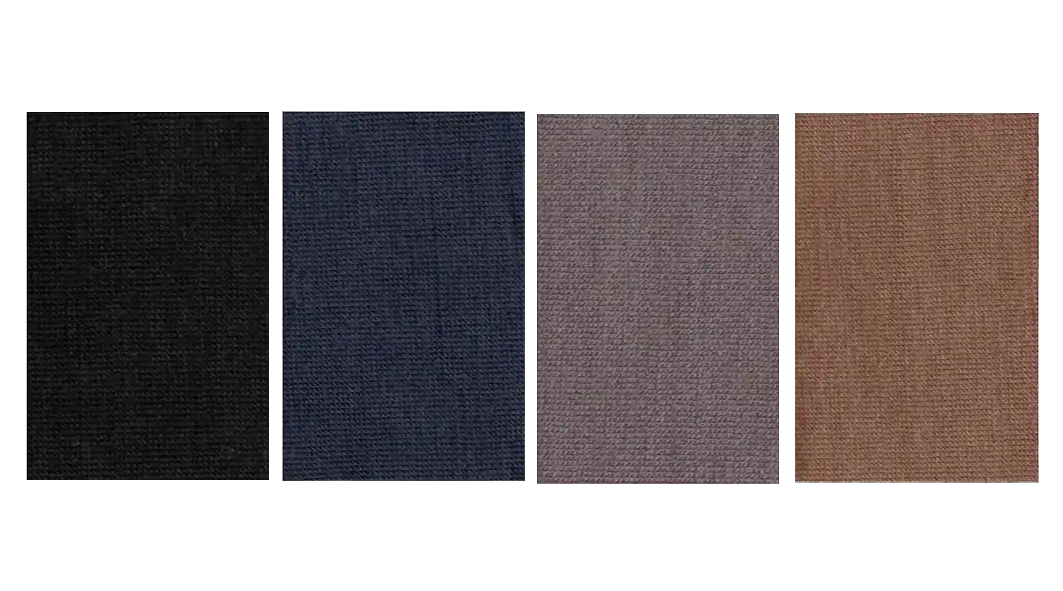
Premium fabrics feel heavier in your hand. This density translates to durability. Check the label: 100% Superfine Merino, 100% combed cotton, or premium blends indicate quality. Avoid thin, light fabrics that feel hollow. A premium t-shirt should feel substantial without being stiff.
5. The Neckline Binding
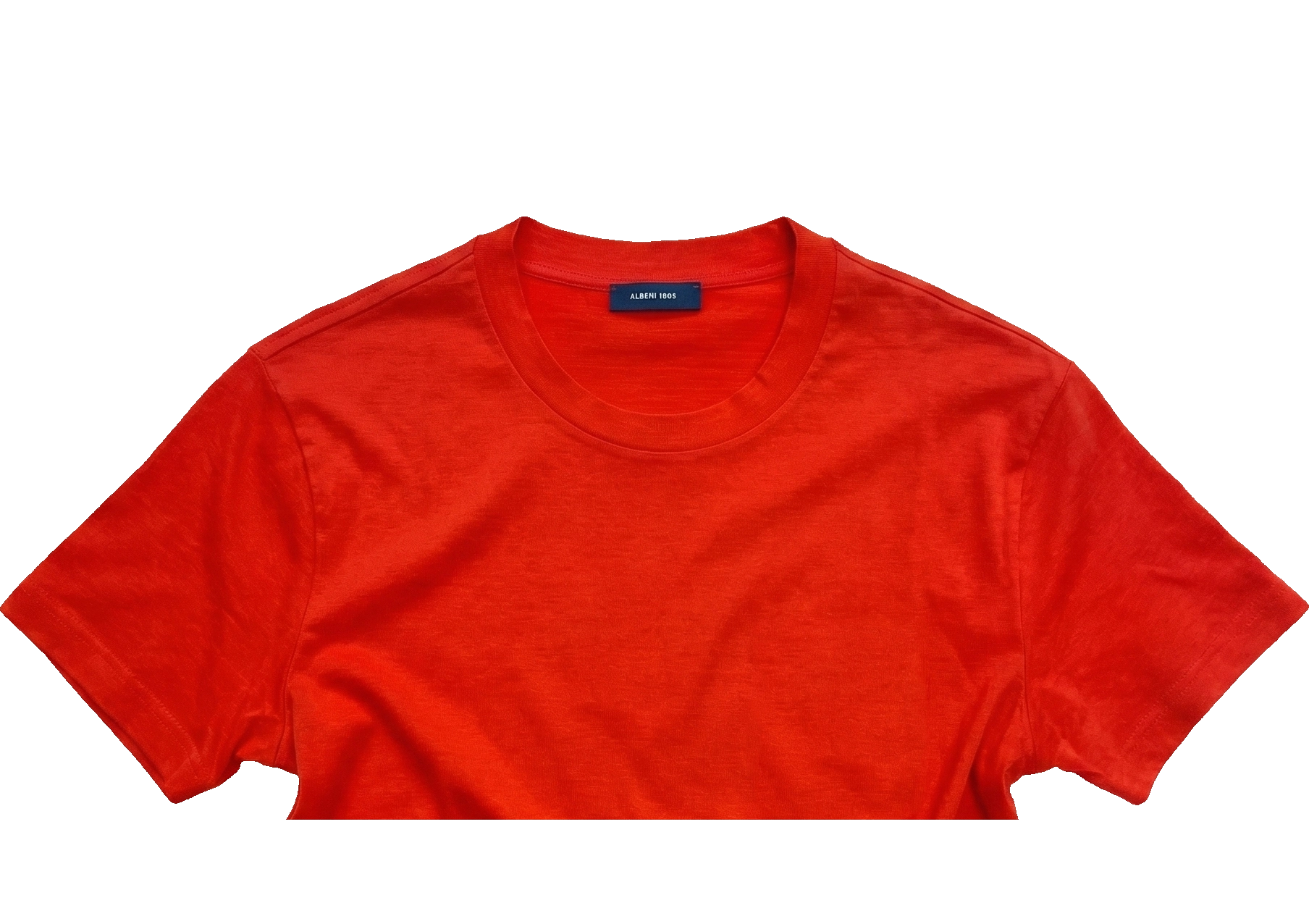
The neckline is where stress concentrates. In premium garments, you’ll find a finer, more carefully sewn binding—sometimes with a small amount of Lycra woven in for stretch and recovery. A cheap neckline looks loose, bunched, or uneven. Quality is visible here: crisp, symmetrical, and flat.
6. Seam Alignment & Symmetry
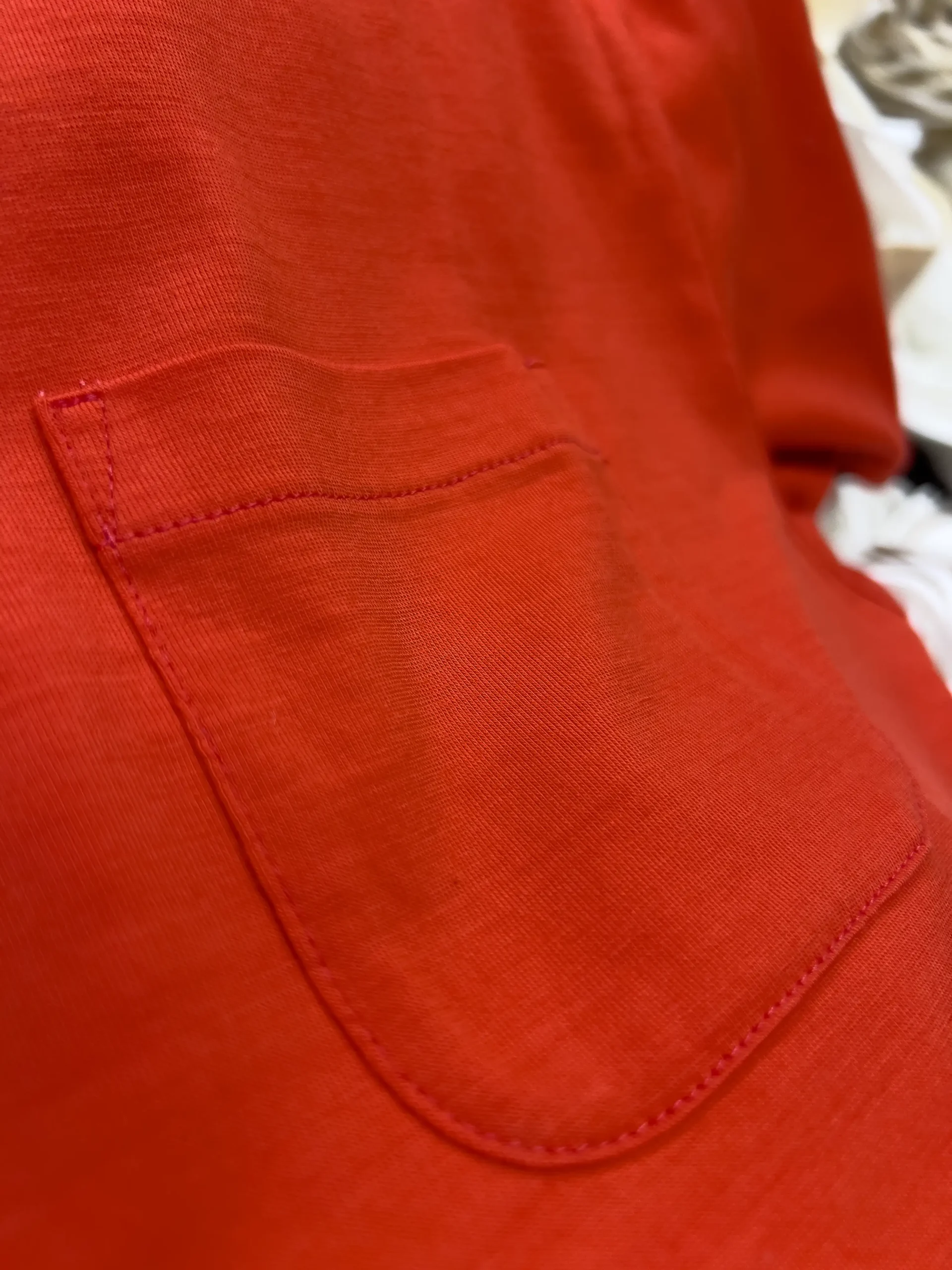
Hold the shirt at the shoulders and examine the side seams. They should run perfectly straight and vertical. If they curve or twist, the garment was cut poorly. Check the printed pattern or design (if present)—both sleeves should align identically. Poor alignment is a sign of careless manufacturing.
7. The Armhole Construction
The armhole is structurally complex. In a premium t-shirt, you’ll find reinforced stitching around the armhole curve, and sometimes a small tape reinforcement. This prevents the armhole from stretching out or tearing. A poorly constructed armhole will sag after a few wears.
The Final Test: Cost Per Wear
Quality is an investment, not an expense. A €125 Superfine Merino t-shirt worn twice a week will serve you for 5+ years. That’s under €5 per wear—far cheaper than replacing fast fashion every season. A premium garment worn consistently under a blazer, over a weekend, or alone becomes your reliable foundation. The “expense” is actually your most economical choice.
Related Reading
Want to understand the science behind the materials?
Explore Merino University →