
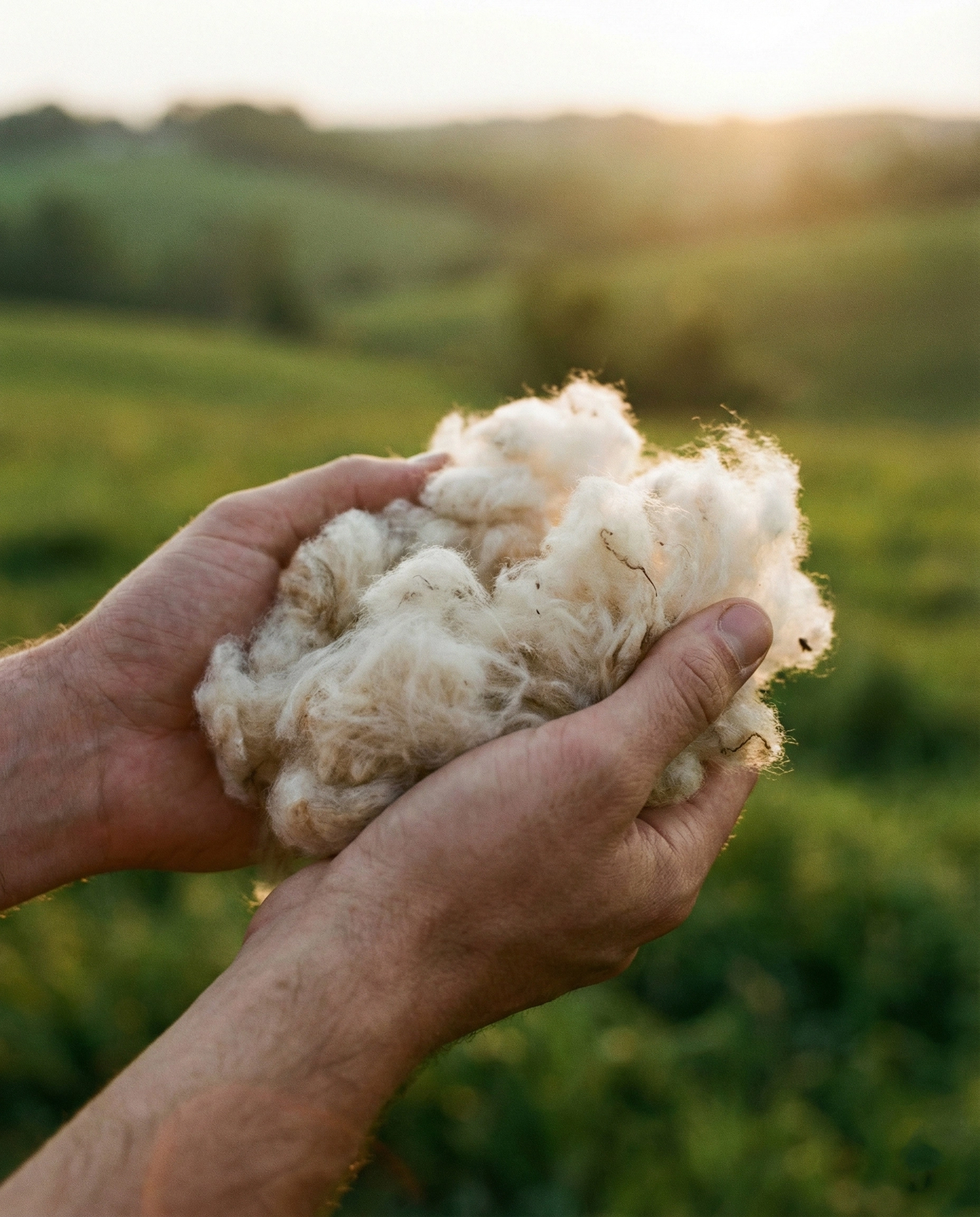
Transparent Supply Chain: How We Trace the Wool
From New Zealand farms to Italian looms. We know every step of our fiber’s journey. Transparency is not a marketing claim — it is the guarantee that animals and the environment were respected before the garment reaches your skin.
Merino vs Cotton: A Scientific Fiber Comparison
Cotton requires enormous amounts of water and pesticides. The Merino sheep thrives on grass, rainwater, and sunshine. Beyond the reduced impact, wool is 100% biodegradable and releases no microplastics into the oceans during washing.
Garment Care: The Ritual of Sustainability
The most sustainable garment is the one you already own. We teach “dry” care methods and airing techniques to reduce washing machine cycles, save energy, and extend fabric life. Maintenance is an ecological act.
Decodifichiamo le Certifications Tessili
The labels behind our garments, explained with full transparency. Each garment meets rigorous standards for animal welfare (no mulesing), land management, and corporate social responsibility.
Environmental Impact Reale: Numeri e Fatti
We measure impact not just in CO2 emitted, but in lifecycle duration. A sweater that lasts 10 years has an infinitely smaller impact than 10 synthetic sweaters that last one year. Durability is the key to our environmental strategy.
The Stories
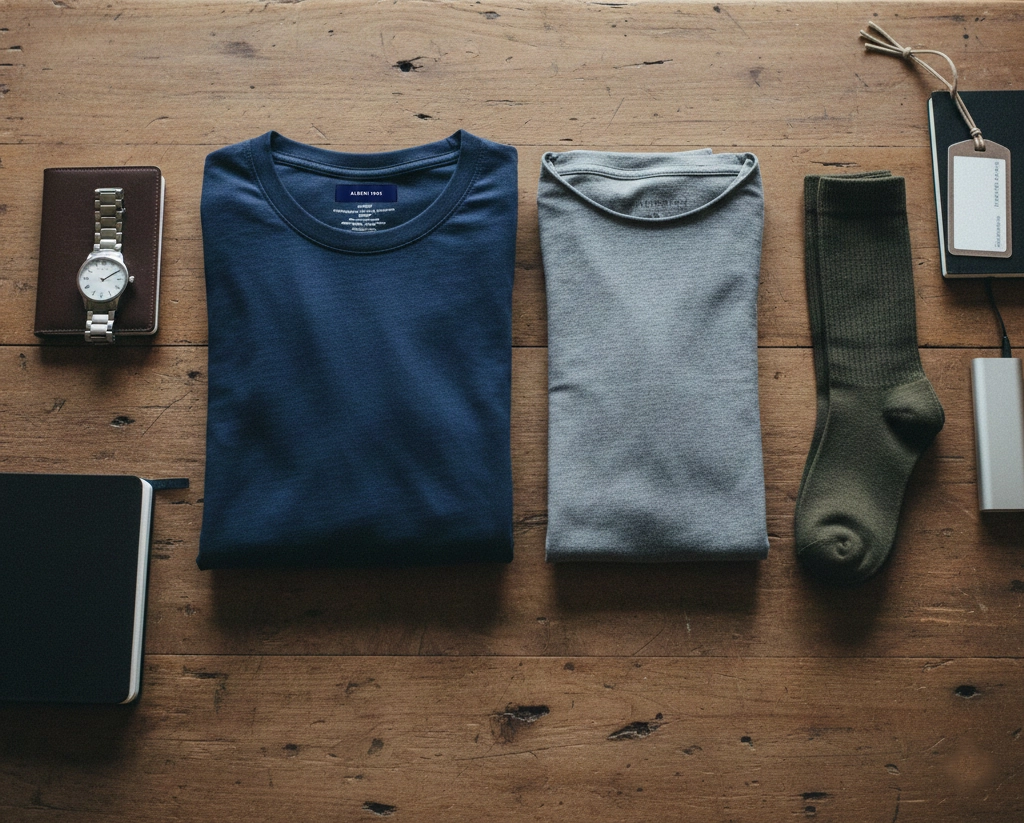
The Guides Pratiche
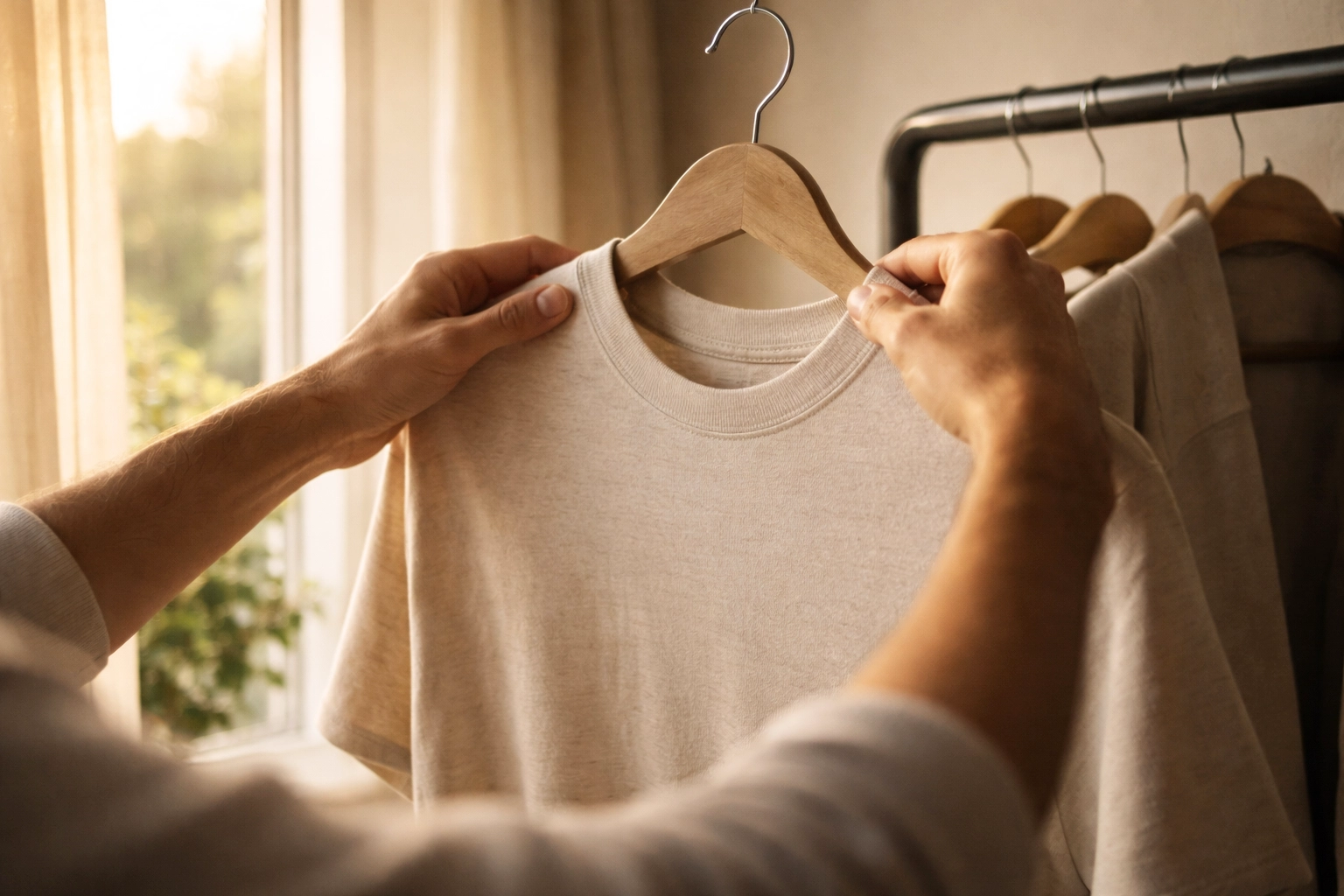
How to fold and hang correctly to harness the natural memory of Merino fibers and reduce ironing.
Identify the miscalculations that fill your wardrobe with useless garments: from capsule collections to cost per wear.
Explore the guide →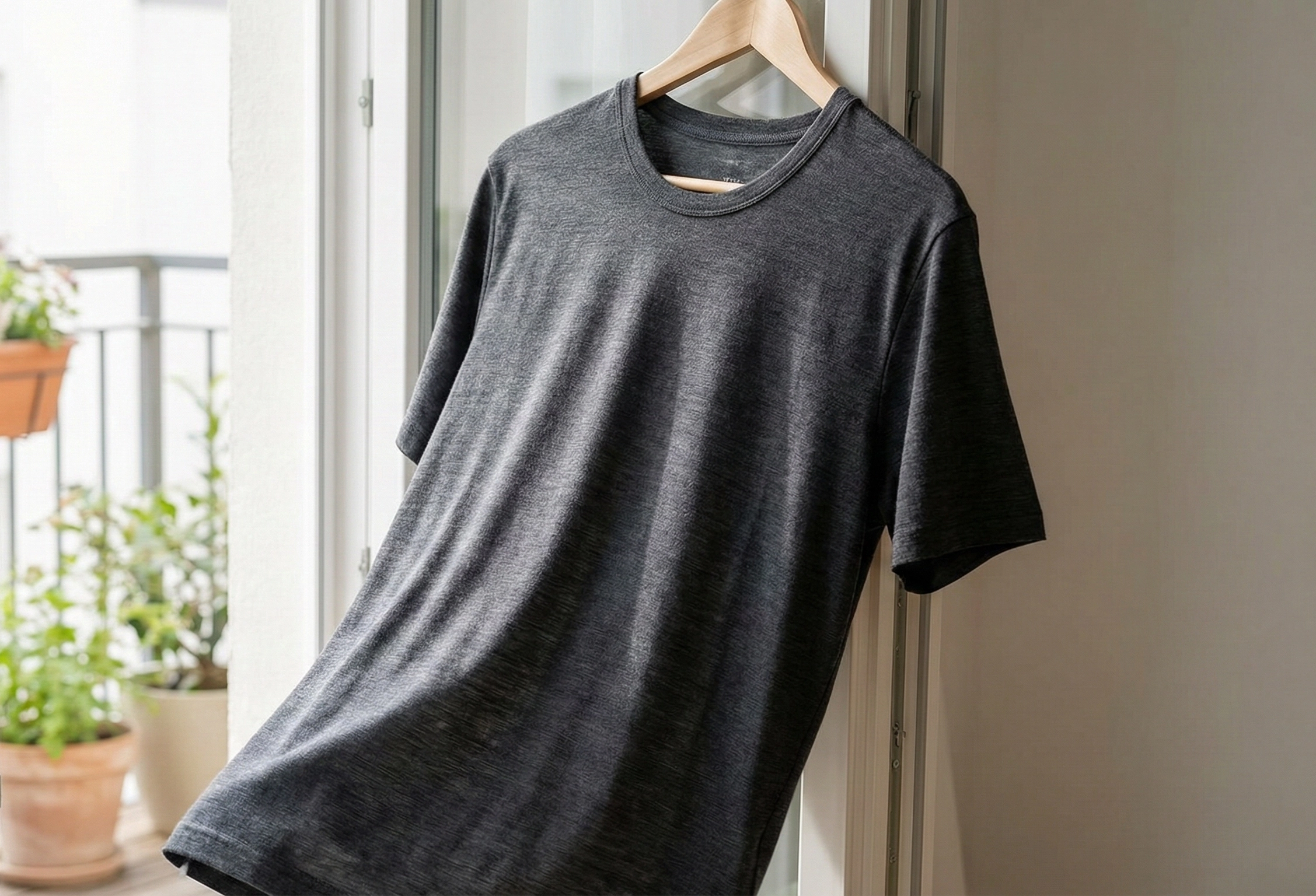
The “no-iron” guide: invisible maintenance
How to fold and hang correctly to harness the natural memory of Merino fibers and reduce ironing.
Read the tips →Albeni 1905: Sostenibilità dal 1905
Sustainability is not a trend for us. It is a tradition spanning over a century, rooted in respect for raw materials and craftsmanship.
Explore Albeni 1905 →Download “The Transparency Manifesto”
Discover the journey of the fleece from New Zealand to Italian manufacturing and the economics of quality (Cost Per Wear).
Want to dive deeper into textile certifications and the environmental impact of your clothing? Download our free guide.
Approfondisci su Merino University →Continue Reading
- The 12-Piece Capsule Wardrobe for 30 Days →
- Smart Layering: Dress Well with 2 Layers →
- Comfort as an Asset →
Explore the Content
From 50 Pieces to 15: The Practical Method for an Essential Wardrobe
The average American owns between 60 and 80 pieces of clothing. They wear fewer than 20 regularly. The rest takes…
Read →Fewer Pieces, Zero Guilt: The Positive-Impact Wardrobe
Fast fashion taught us that more options mean better dressing. The reality is the opposite: a packed closet generates anxiety,…
Read →Sensitive Skin and Fabrics: How to Choose Without Irritation
If you have sensitive skin, you know: choosing what to wear isn't a matter of style — it's a matter…
Read →The wardrobe that works: 5 invisible mistakes everyone makes
A wardrobe that works isn't one full of beautiful things. It's one where every garment has a role, nothing hangs…
Read →How to choose a premium t-shirt: 7 simple signals
You don't need to be a fabric expert to recognise quality. All it takes is your hands, a bit of…
Read →Cost per Wear Calculator — How Much Does Your Garment Really Cost?
Discover the true cost of your garments with our interactive cost per wear calculator. The cost per wear reveals how…
Read →The “No-Iron” Guide: Invisible Maintenance
The iron is the enemy of both free time and natural fibers. Here’s how to eliminate it from your routine…
Read →Iron-Free Care: The Invisible Maintenance Guide
The iron is the enemy of free time and natural fibers. Here's how to eliminate it from your routine by…
Read →How to Choose a Premium T-Shirt: 7 Quality Signals
You walk into a shop (or open a package) and there's a white t-shirt before you. It costs triple the…
Read →