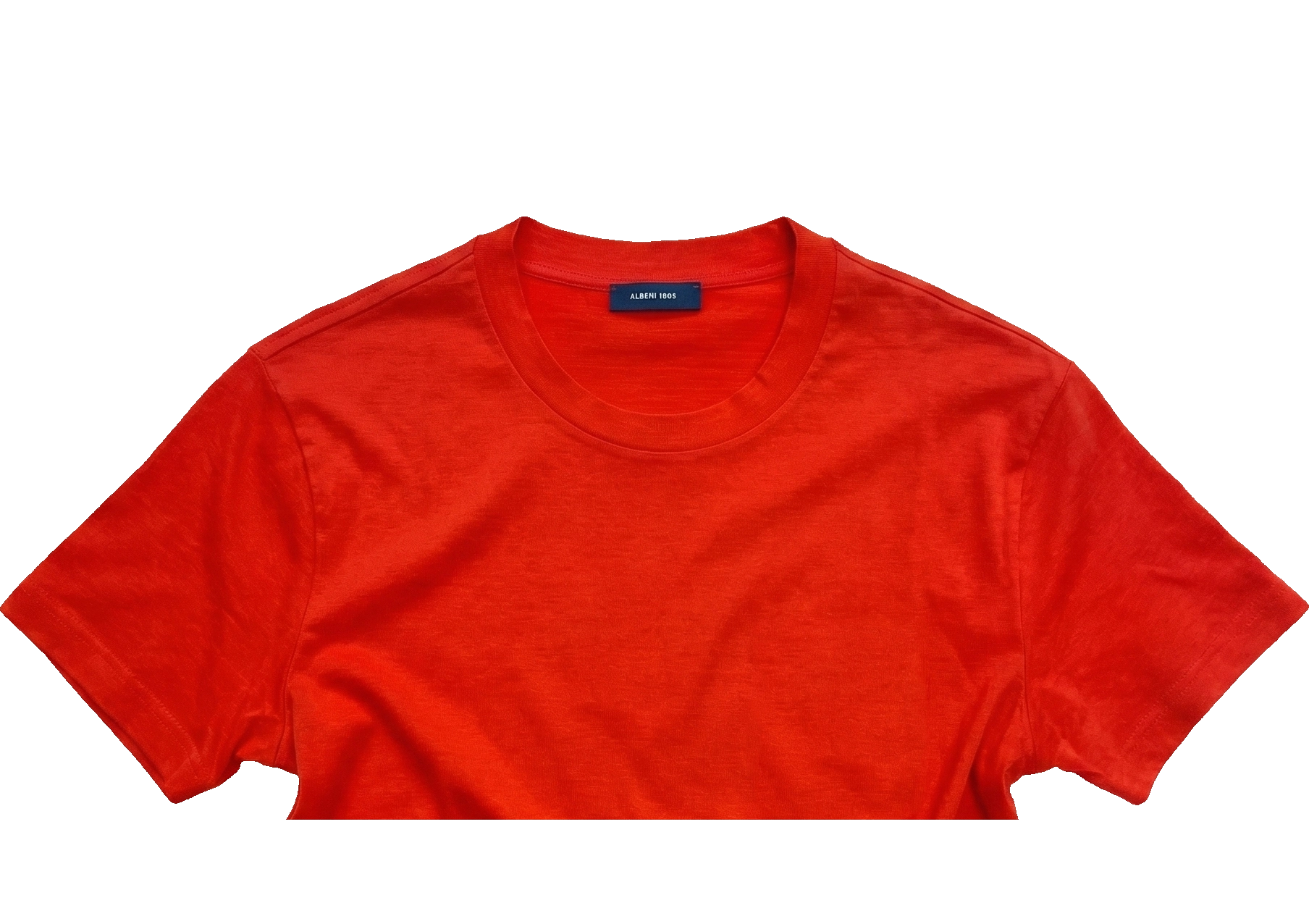
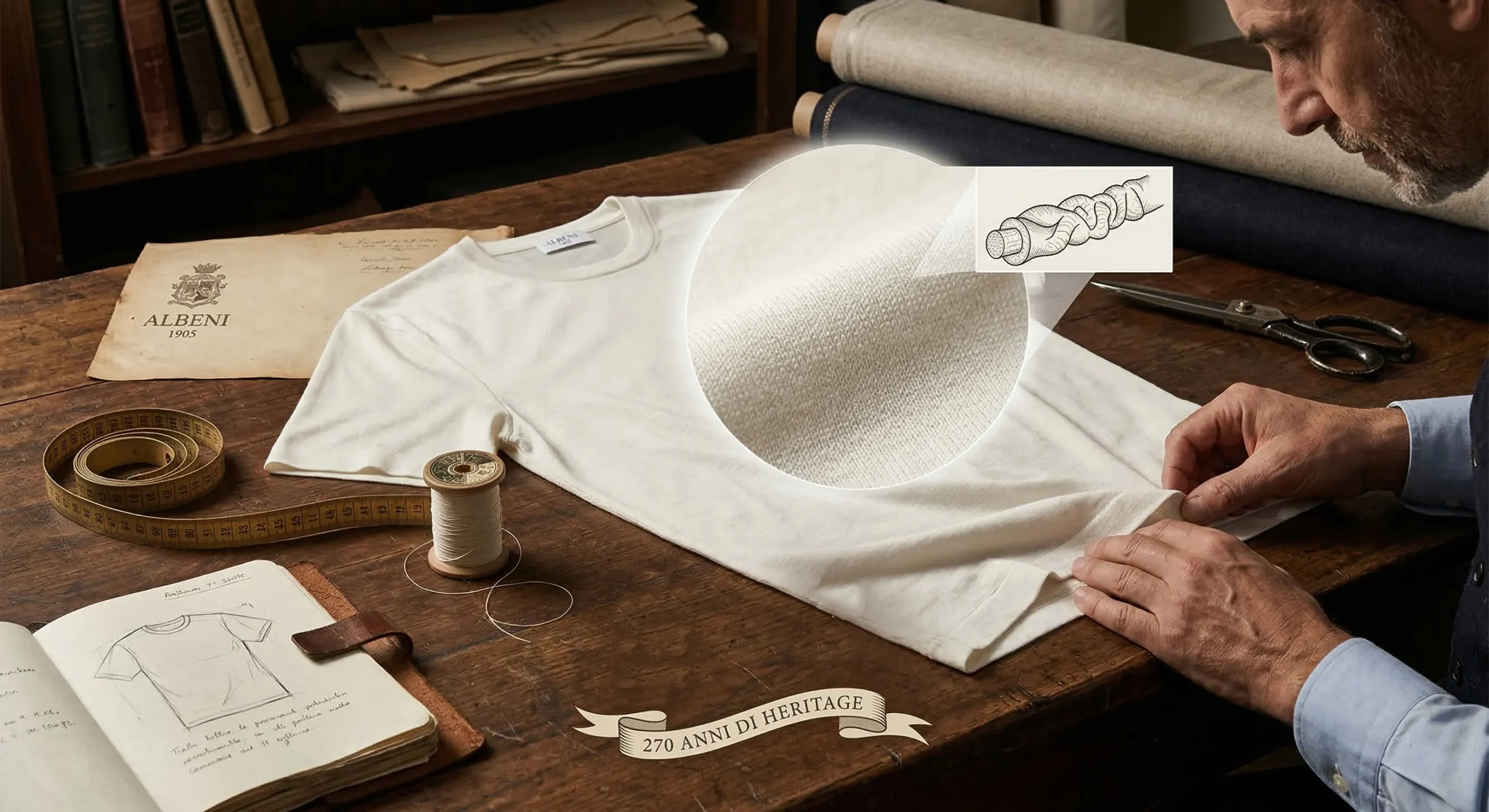
There is a scene that repeats in every period film, and perhaps in every man’s life: the moment he puts on something that fits perfectly — and the mirror doesn’t reflect a costume, but a version of himself he recognizes.
True elegance, the kind that transcends trends, has a very precise characteristic: it doesn’t shout. It whispers. And it whispers because it doesn’t need confirmation from others — it already has the wearer’s.
The paradox of visible luxury
For years they taught us that elegance is something to display: a visible logo, a recognizable brand, an intentional price tag. But the most enduring form of elegance is the one that subtracts. It’s not about what you add — it’s about what you no longer need.
Elegance isn’t about being noticed, but about being remembered. And you’re remembered for how you made others feel, not for what you wore.
The feeling on the skin as the first layer of style
We often think of style as something purely visual. But the first experience of a garment is tactile: how it feels against the body, how it moves with you, whether it restricts or liberates. A fine merino garment is perceived before it is seen.
When you wear an “inert” material, your body fights it: adjusting, pulling, scratching. When you wear something that breathes and thermoregulates with you, the body forgets the garment. And that forgetting is the first sign of true comfort — which is the first sign of true style.
Subtract to add value
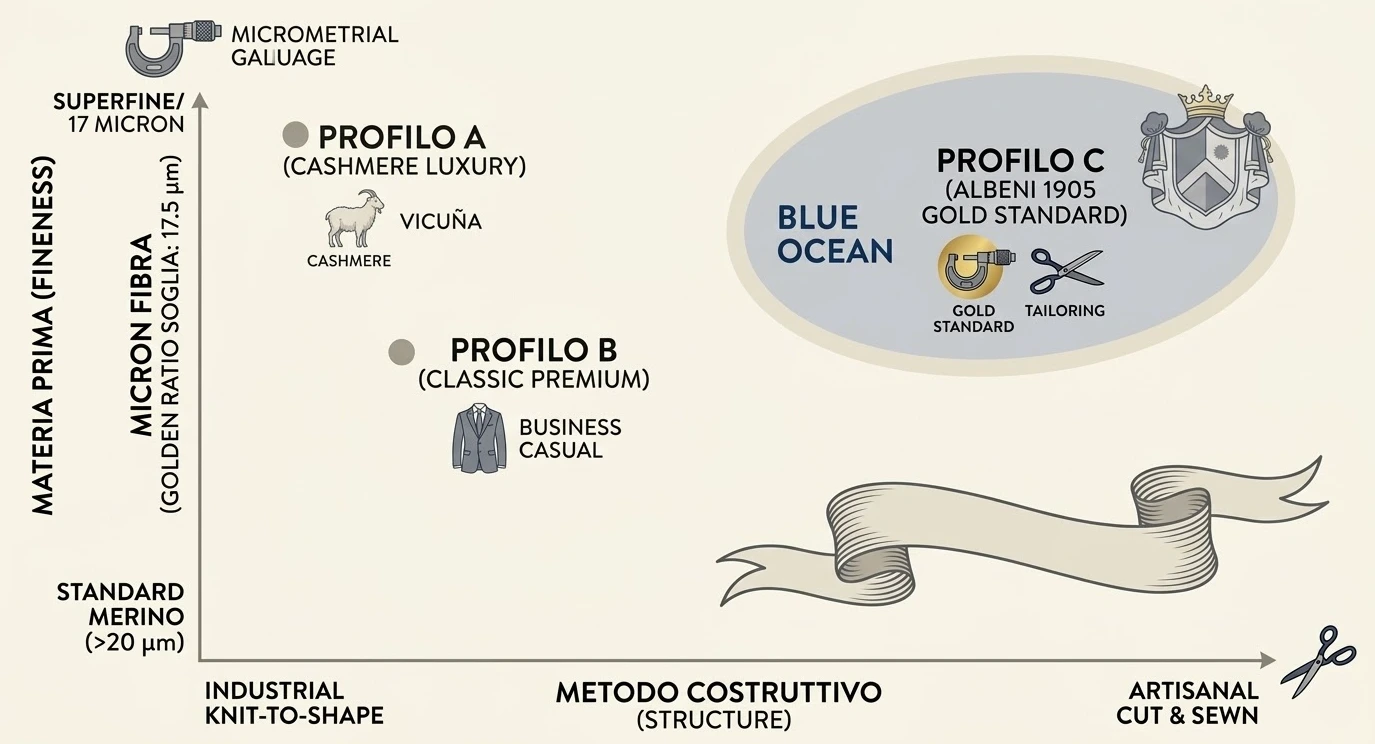
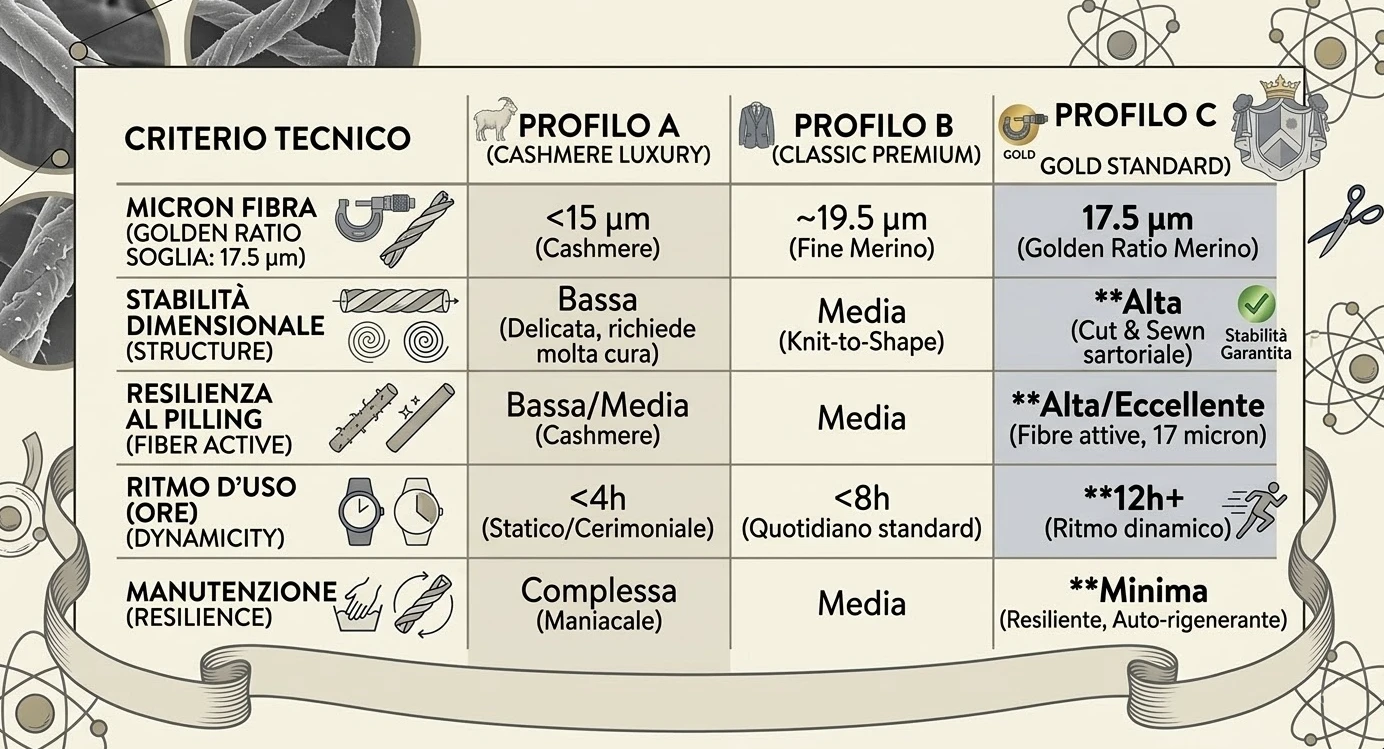
Reaching this state of “invisible comfort” requires construction, not decoration. It requires knowing your fibers, your fabric weights, your body. It means choosing pieces where the quality lies in the structure — not in the ornament. Not in what you see, but in what you feel.
An investment in yourself
Ultimately, choosing elegance that doesn’t demand attention is a form of self-love that needs no audience. It’s choosing to dress for how the garment makes you feel — not for how it makes you appear. And this is perhaps the most intimate choice a man can make in his wardrobe.
Explore: Why does simplicity cost more?
Making a t-shirt that lasts three years requires a fiber three times more refined. Here’s where the invisible cost of material quality lies.
Read on Merino University → The hidden cost of quality
Want to build a wardrobe that actually works?
Download the guide: The Invisible Wardrobe — 12 pieces, 30 days, fewer decisions.
FEWER PIECES, MORE STYLE
The Wardrobe that Lasts Through Time
Discover pieces designed for those who choose Italian sartorial quality.
Fewer decisions, more substance.